
1xBet APK Guide: The Android App in Daily Use
One question keeps coming back from people who moved past the initial setup weeks ago: why does the installed app never seem to update itself the way a store app would? With the 1xBet APK, that behaviour is entirely normal. An app you installed from a file outside Google Play has no automatic update channel, so staying current becomes part of using the software day to day, alongside logging in, placing a live bet or clearing a payment. This guide walks through the complete routine — from the first download to daily use, from fixing a refused install to falling back on the mobile site when the app misbehaves.
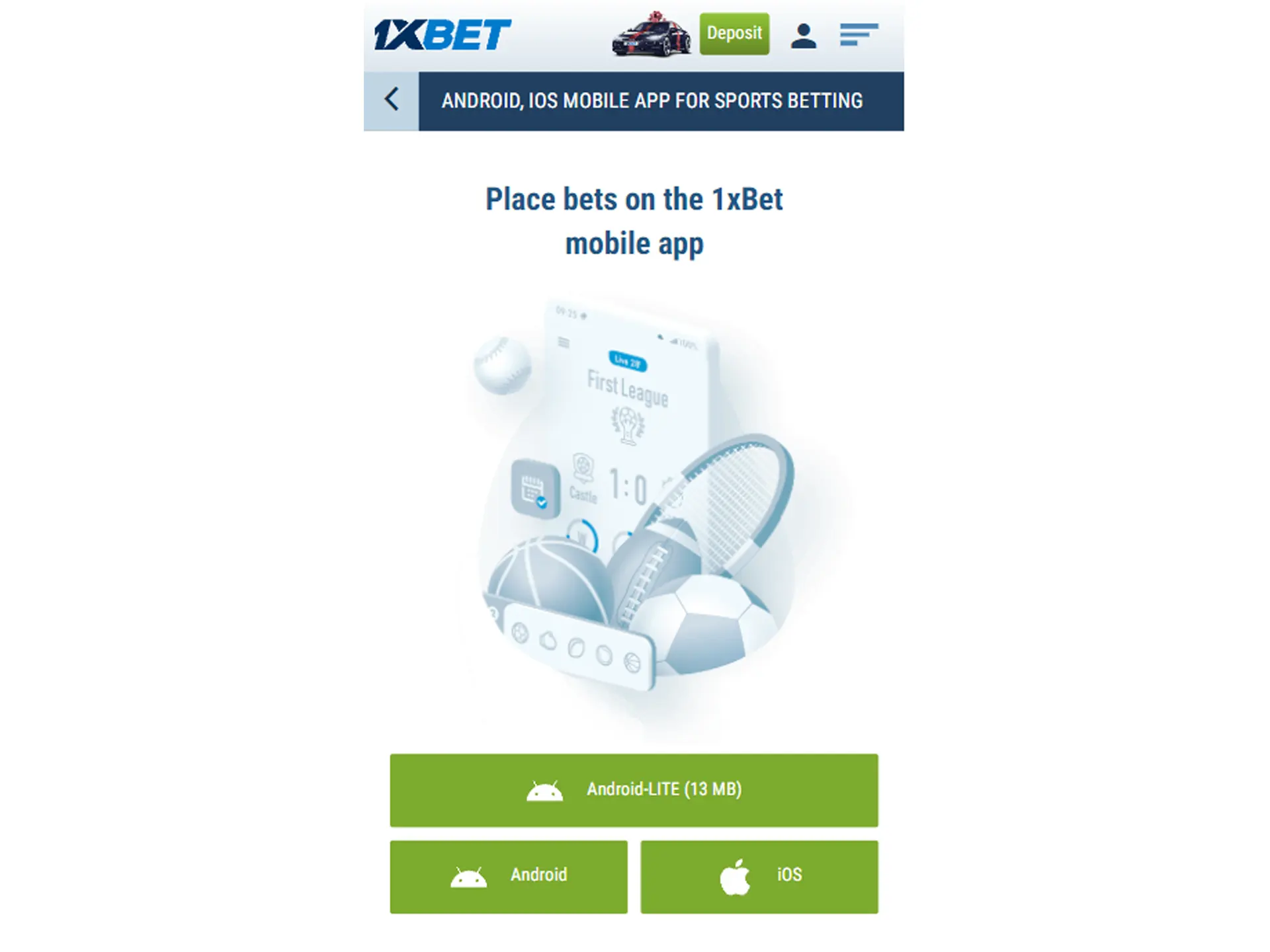
Getting the file onto the phone
The APK is the Android package that contains the whole 1xBet application — launcher, betting engine, cashier and settings bundled into one installable file. Because Android treats any file fetched outside the Play Store as unverified, the only sensible habit is to check the source before anything else. A page that actually belongs to the brand, reached through a bookmark or a domain you already trust, is fundamentally different from a mirror site that an aggregator ranked first. Before installing anything it is worth opening 1xbet mobile apk for android and checking what the app page itself says about the current build rather than trusting whatever a search result repeated. Once the file lands in the download folder, the checklist is short:
- confirm the file actually finished downloading instead of opening a half-complete package;
- open Settings and allow installs from the browser or file manager you used, since Android grants that permission per app;
- run the installer, approve the request, then revoke the unknown-source permission again straight away.

The update routine after the first install
Updates arrive as new APK files. The phone usually flags a newer build through an in-app prompt, and a quick manual check whenever the schedule of big tournaments changes keeps the version honest. Before replacing the old build a few points matter:
- a package signed with a different certificate will refuse to install over the existing app, which is Android protecting the user's data rather than a random error;
- if the signature does mismatch, removing the old build is often the only fix, and that step can wipe locally stored preferences or cached login;
- keeping the account password plus any linked two-factor method handy before an update avoids locking yourself out of your own wallet.
Availability and the changelog you see on screen vary by region and release, which is normal and not necessarily a sign that something is wrong.
What the app actually does every day
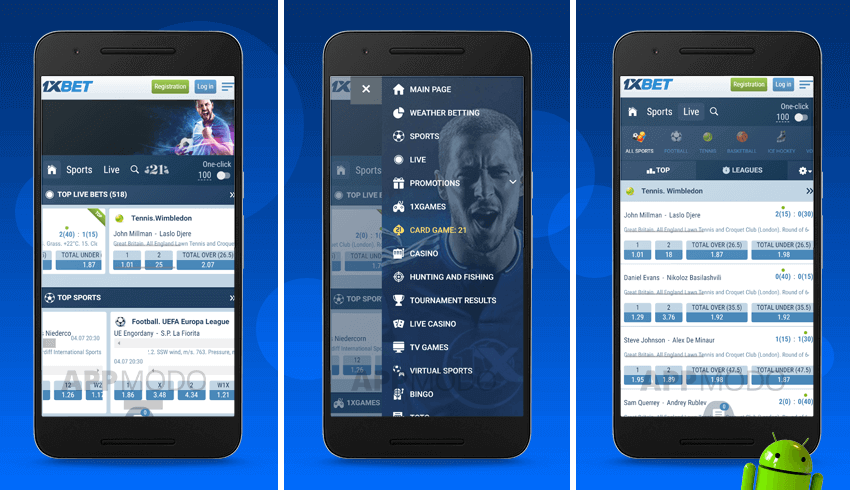
Daily use is where the APK either proves itself or becomes frustrating. The sporting section covers pre-match and live markets, while the casino side slots into the same account balance so switching is instant. A full session typically runs in this order:
- check the day's live fixtures and favourites from the home panel;
- deposit or confirm the balance through the cashier before placing anything;
- bet, follow live markets, then cash out or withdraw from the same wallet.

The features inside one routine session are compact:
- a bet slip that stays editable until the stake is confirmed;
- live statistics updating inside the event page instead of a separate scoreboard;
- casino games launched from the same account, without a second login screen.
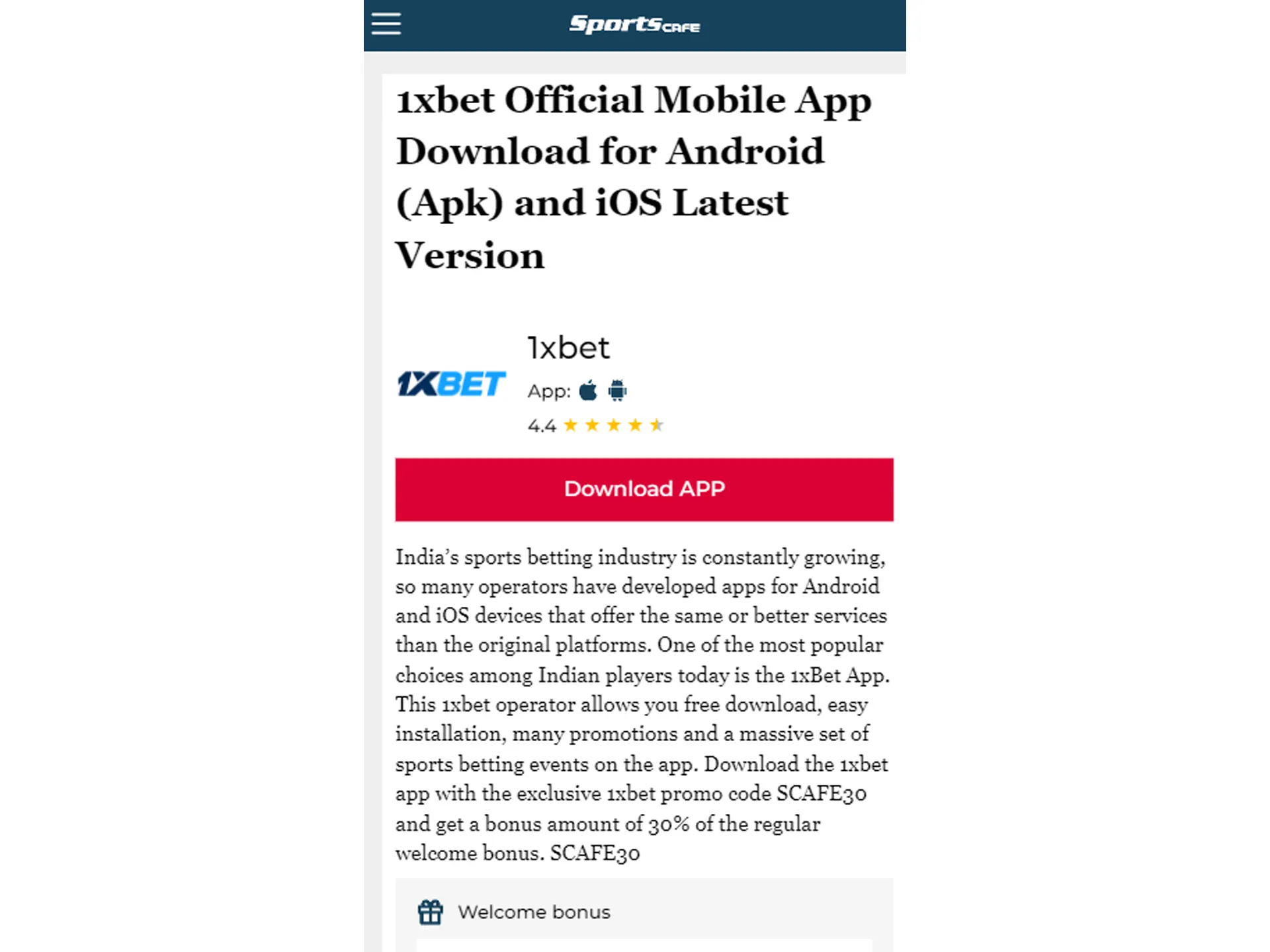
A page such as 1xbet mobile apk latest update is often where players double-check the currently offered build before repeating a download, which keeps the description above tied to the correct version for their region. Interface layout and which options appear prominent can shift between releases and territories.
Typical daily-use failures and the mobile fallback
Most problems that look dramatic are mundane once broken down. The table below summarises the recurring ones.
| Symptom during use | Likely cause | Practical move |
|---|---|---|
| Install button greyed out or blocked | Source permission missing for the browser used | Enable unknown sources for that one app, retry |
| Update refuses to overwrite old build | Signature mismatch between old and new files | Uninstall first, accepting local data can vanish |
| Login loop after reinstalling | Saved credentials cleared with local data | Re-enter full credentials, restore 2FA if used |
| App closes during live events | Memory pressure or an outdated build | Update manually, or clear cache from system settings |
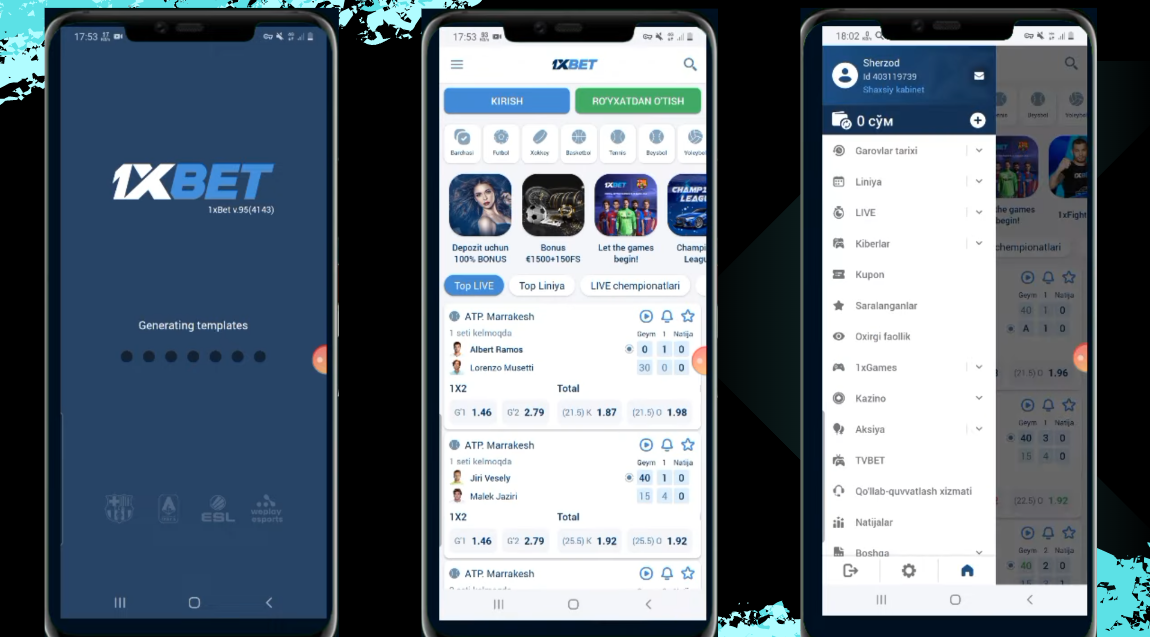
When the app refuses to cooperate entirely, the mobile website is not a downgrade but a parallel route. It runs the same account, the same balance and the same markets through the browser, which makes it suitable as a temporary fallback during updates or as a permanent choice for users who prefer to keep their phone free of unknown-source permissions altogether.
FAQ
Is the APK different from a Play Store install?
Functionally they aim to deliver the same account, markets and wallet. The practical difference is channel: APK users handle installation and updates manually, which is why the routine above matters more than the download itself.
Why does Android warn about unknown sources every time?
Because the permission is granted per app that requests it, not globally. A browser approved last month does not automatically approve a file manager today, and the toggle can be switched off again immediately after each install.
Will uninstalling wipe the account balance?
No. Funds sit on the account itself. What can disappear is locally stored data on the device — saved logins, cached settings — so re-authentication after a reinstall is normal rather than a red flag.
How often is manual updating actually needed?
There is no fixed schedule. Checking whenever the app prompts, or when features behave oddly, is enough for most users. Regions and releases receive builds at different times, so comparisons with other users rarely help.
Is the mobile site a full replacement for the app?
For most actions — betting, live events, cashier access, account settings — it behaves like the same product in a browser tab. Where it tends to differ is push notifications and how the interface feels, not in what the account can do.